

The Independent Electoral and Boundaries Commission (IEBC) is facing increasing pressure from political stakeholders and civil society to clarify a recent directive requiring Kenyans who registered as voters before 2012 to register afresh. The controversy arrives as the commission’s 30-day Enhanced Continuous Voter Registration (ECVR) exercise enters its second week, scheduled to run until April 28, 2026.
Critics have raised concerns over the potential disenfranchisement of older voters and the overall integrity of the national voter register. In response, the IEBC defended the move, explaining that registrations prior to 2012 were conducted through a manual system that did not capture essential biometric data, such as digital fingerprints and photographs. The commission maintains that migrating these records to the Biometric Voter Registration (BVR) system is a mechanical necessity to ensure an accurate and credible register ahead of the 2027 General Election.
Despite the technical justification, calls for intensified civic education have grown. “The commission must communicate these changes more effectively to safeguard public confidence,” noted a joint statement from several election observation groups. “Without a clear awareness campaign, there is a risk that millions of legitimate voters could find themselves struck from the roll come election day.”
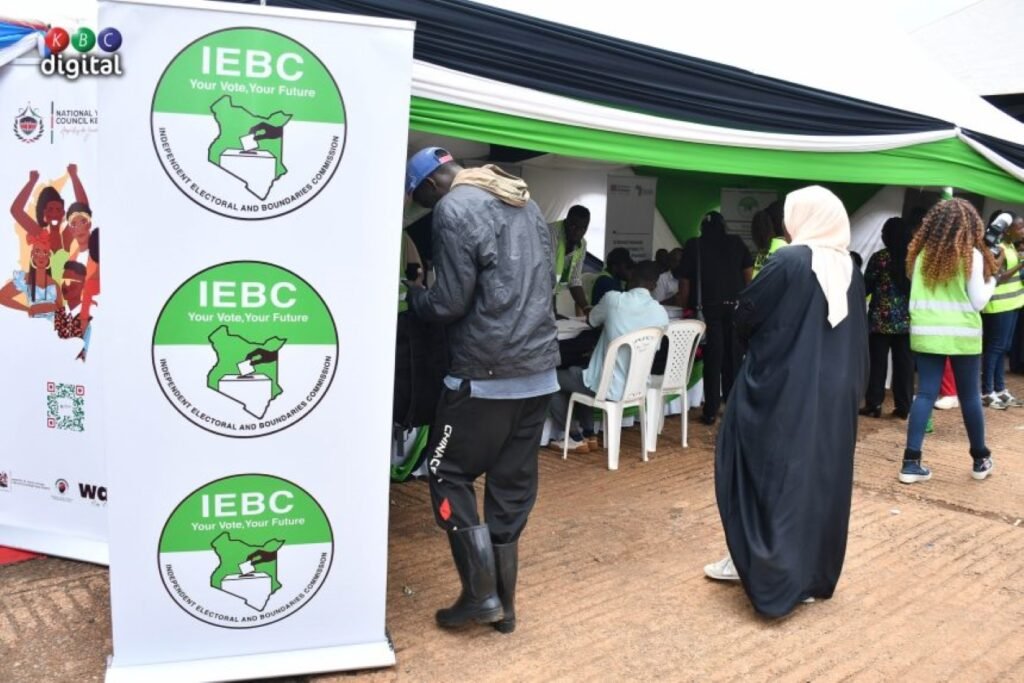
To facilitate the month-long exercise, the IEBC has established registration centers at:
- Constituency offices nationwide
- Select Huduma Centres
- Universities and colleges
- The IEBC Customer Experience Centre at Anniversary Towers, Nairobi
However, the commission noted that registration remains suspended in specific electoral areas currently undergoing by-elections or active election petitions. These include Emurua Dikirr, Ol Kalou, Malava, and Mbeere North constituencies, as well as Porro and Endo wards.
More Read

The ECVR exercise aims to net millions of new voters, particularly youth who have come of age since the last general election. However, the first week of the drive reported a slower-than-expected turnout, prompting the commission to urge eligible citizens to utilize the remaining three weeks.
As the April 28 deadline approaches, the spotlight remains on the electoral body’s ability to address these emerging transparency concerns. The outcome of this “cleanup” exercise will be a critical factor in determining the inclusivity and transparency of the 2027 electoral process.