


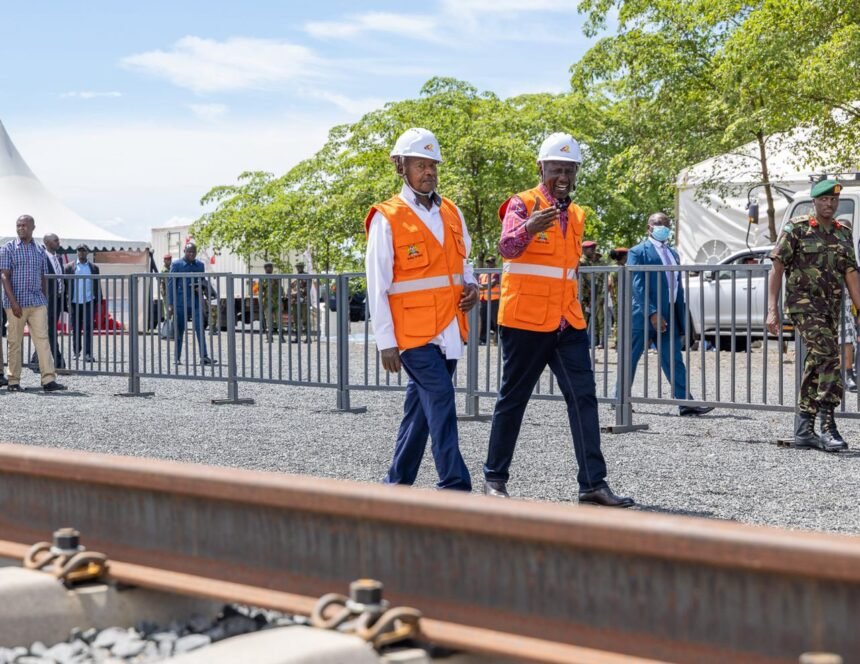
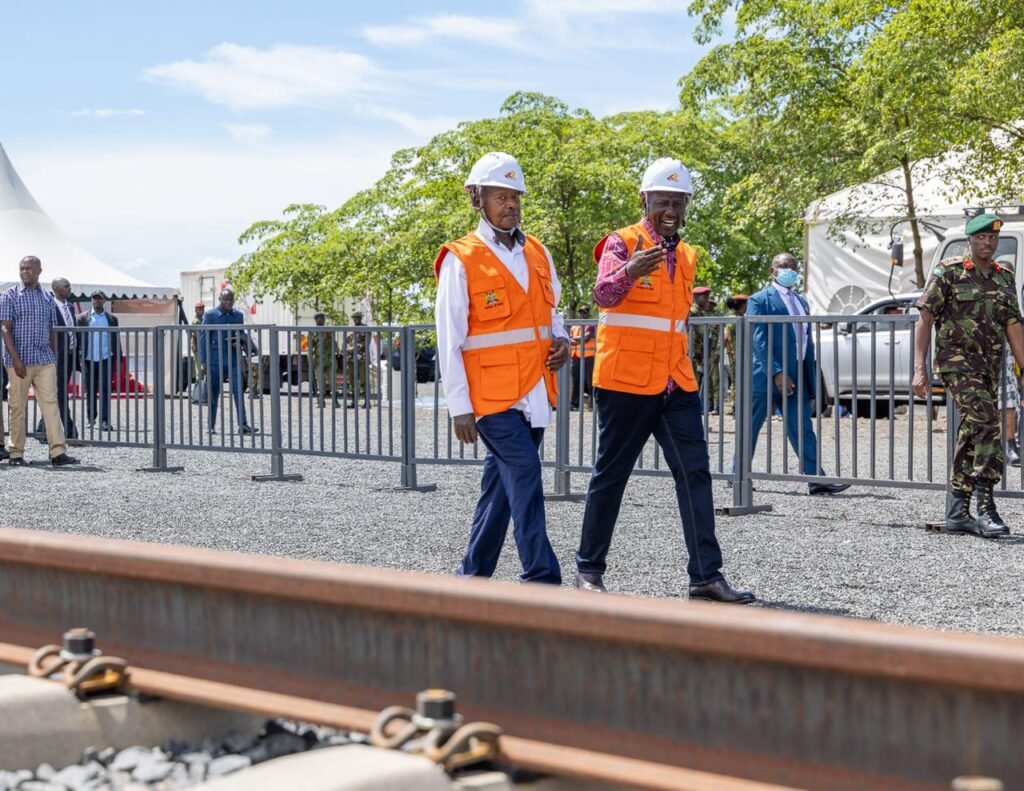
Kenya and Uganda have formally launched the construction of the 107-kilometer Standard Gauge Railway (SGR) extension from Kisumu to Malaba, marking a critical milestone in the integration of the Northern Corridor. The project aims to transition heavy freight from roads to rail, significantly reducing logistics costs and enhancing safety across East Africa.
Strategic Infrastructure Development
The Kisumu–Malaba section represents the final Kenyan leg of a nearly 1,000-kilometer railway corridor connecting the Port of Mombasa to the Ugandan border. During the launch ceremony on Saturday, Uganda President Yoweri Museveni and Kenya President William Ruto emphasized that the rail extension is not merely a transport project but a strategic economic necessity for the East African Community (EAC).
President Museveni characterized the current reliance on road networks for hauling heavy goods and petroleum products as “suicide” for regional economies. He noted that the prevailing transport system is often chaotic and wasteful due to the mixing of heavy cargo, light vehicles, and passengers on the same infrastructure. According to the Ugandan leader, moving heavy freight to the SGR and petroleum to pipelines is essential to protecting road infrastructure and reducing the frequency of road accidents.
Economic Competitiveness and Cost Reduction
The regional leaders highlighted that high costs associated with transport, electricity, and credit have historically hindered Africa’s industrial growth and maintained a dependency on imports. President Museveni described these three factors as the “bone marrow” of any functioning economy, urging African nations to prioritize government-backed infrastructure to lower production costs.
“If we continue depending on road transport for cargo, we are effectively undermining our own competitiveness,” Museveni stated. He argued that the transition to rail would allow roads to be reserved for passengers and lighter goods, thereby creating a more efficient and competitive environment for local manufacturers and exporters.
More Read

President Ruto echoed these sentiments, noting that the SGR extension is expected to empower farmers and support industrialists by providing a reliable, high-capacity link to international markets. He emphasized that infrastructure development is a primary driver of urban growth and investment flow, determining where prosperity takes root within the continent.
Regional Integration and Future Expansion
The 107-km rail section is designed to eventually link with Kampala and extend further into Rwanda, South Sudan, and the Democratic Republic of Congo (DRC). This expansion is intended to foster a seamless trade route across East and Central Africa, reducing transit times from the Indian Ocean to the hinterland.
To maximize the economic impact of the rail line, the Kenyan government has planned Special Economic Zones (SEZs) in Kisumu and Busia. These zones are expected to attract investments in manufacturing, logistics, and value addition, leveraging the proximity to the new rail terminus to lower operational overheads.
More Read

Expected Developments
The completion of the Kisumu–Malaba SGR section is anticipated to trigger a shift in how clearing and forwarding agents manage transit cargo. With the rail reaching the border, the EAC expects a surge in intra-regional trade volumes and a decrease in the wear and tear of the Great North Road.
Moving forward, technical teams from both Kenya and Uganda are expected to coordinate on the synchronization of rail technologies and customs procedures to ensure that the cross-border transition is efficient. The project remains a central pillar of the EAC’s Vision 2050, which prioritizes infrastructure as a tool for poverty shared prosperity and economic sovereignty.


