

The Malagasy government has declared a 15-day nationwide state of energy emergency as severe fuel shortages, triggered by the ongoing conflict between the U.S., Israel, and Iran, threaten to destabilize the Indian Ocean island. The decision was reached following a high-level cabinet meeting on Tuesday, with the presidency citing fears that persistent energy deficits could spark widespread public disorder.+1
Madagascar, which relies heavily on imported refined petroleum for both transportation and the majority of its electricity generation, has seen its supply chains crippled by the disruption of shipping lanes in the Middle East.
The Oman-Hormuz Connection
The island’s energy security is uniquely vulnerable due to its trade routes. Most of Madagascar’s fuel is imported from Oman, located just south of the Strait of Hormuz. While a two-week ceasefire was announced overnight, the blockade and subsequent damage to regional infrastructure have created a backlog that analysts say will take months to clear.+1
“Supplies are likely to be disrupted for some time despite the ceasefire,” the presidency noted in a communiqué. “This emergency grant gives the state exceptional powers to stabilize the power sector, manage dwindling stocks, and ensure the continuity of public services.”
Public Panic and Rationing
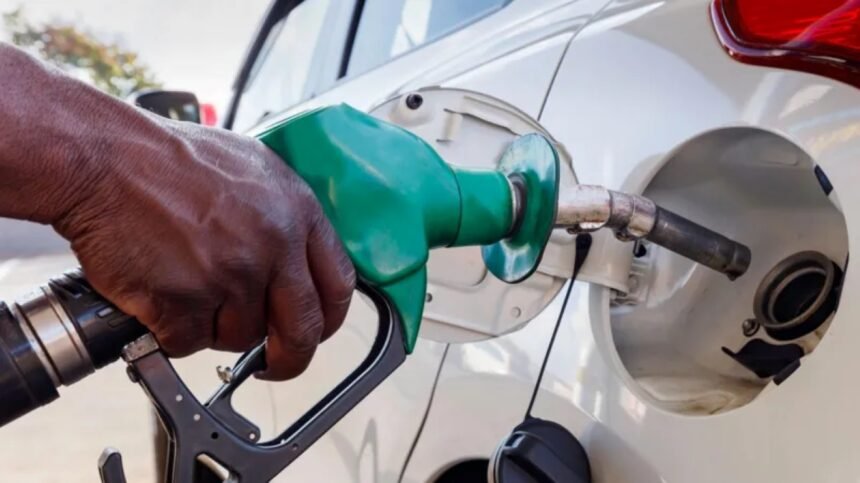
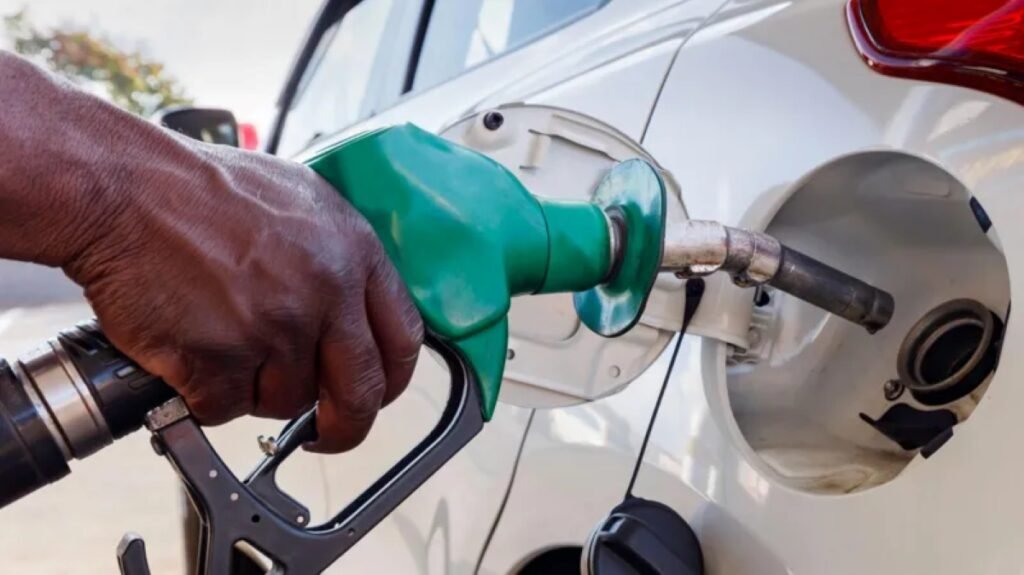
The declaration has triggered a wave of panic buying across the capital, Antananarivo, and other major towns. On Wednesday, motorists reported queues stretching for kilometers, with many petrol stations implementing strict rationing—limiting the amount of fuel a single customer can purchase.

While the government has so far managed to keep pump prices stable, the lack of physical stock has led to rolling blackouts (load shedding) across the country. For many citizens, this crisis carries a heavy political weight; last year, similar power and water shortages led to youth-led protests that eventually culminated in a military takeover.
Continental Domino Effect: Africa’s Response to the Iran War
Madagascar is not alone in its struggle. Across the continent, governments are deploying a patchwork of emergency measures to cushion their economies from the $95+ per barrel oil prices and supply chokepoints.
| Country | Emergency Measure Implemented |
|---|---|
| Gambia | Immediate suspension of all non-essential official government travel to save fuel. |
| Senegal | Restriction of government vehicle usage and cutbacks on official travel. |
| Zambia | Suspension of all taxes and levies on petrol and diesel imports to lower pump prices. |
| Botswana | Scrapping of fuel levies for six months to cushion consumers from price spikes. |
| Ethiopia | Priority fuel allocation system; diesel supplies have reportedly halved. |
| Ghana | Implementation of a new “fuel levy” and price floors to manage supply volatility. |
The Infrastructure Gap
The crisis has highlighted a critical vulnerability for developing African nations: the lack of domestic refining capacity and strategic reserves. Unlike wealthier nations, many East and Southern African markets do not have the infrastructure to weather a multi-month disruption of the Strait of Hormuz, which carries 20% of global oil and LNG.

As the two-week ceasefire begins, the focus for Madagascar and its neighbors shifts from immediate survival to a race for supply. With regional industrial hubs like Qatar’s Ras Laffan reporting years-long repair timelines, the “energy emergency” in Africa may likely extend far beyond the initial 15-day declaration.