

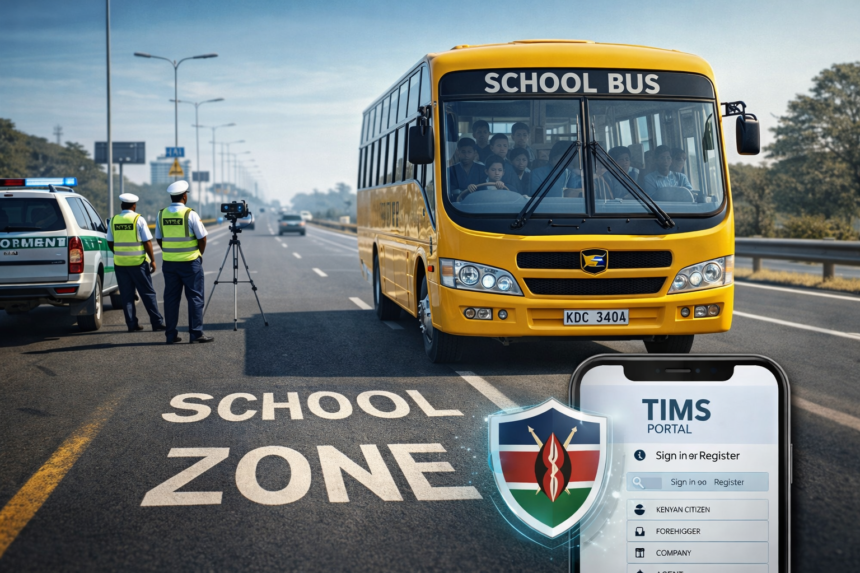
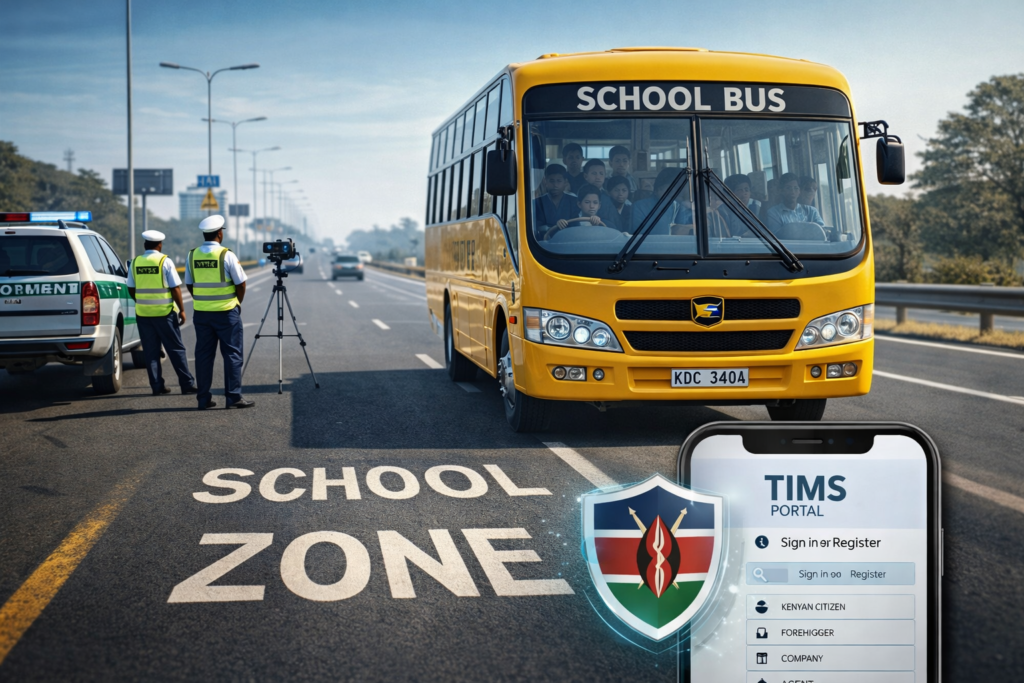
The National Transport and Safety Authority (NTSA) has issued a high-priority safety advisory urging motorists to exercise extreme caution as millions of students prepare to return to school next week. The alert coincides with a significant expansion of road safety enforcement operations across major highways and urban centers to mitigate the risk of accidents during the high-traffic period.
In an official statement released on Sunday, the NTSA emphasized that the protection of school-going children must be the primary focus for all road users. Drivers have been specifically instructed to reduce speeds when approaching school zones, residential neighborhoods, and designated pedestrian crossings. The authority reminded motorists that strict adherence to the Highway Code is mandatory, warning that the influx of pedestrians and school buses significantly alters traffic dynamics.
Historical data from the authority indicates that periods of school reopening are frequently marked by a spike in road traffic incidents. To counter this trend, the NTSA has deployed specialized enforcement teams to monitor “blackspots” and major transit corridors. These teams are focusing on the “fatal four” violations: speeding, driving under the influence of alcohol, reckless overtaking, and the failure to observe basic traffic signage.
“Safety on our roads is a collective responsibility, but the burden of care lies heavily on those behind the wheel during this transition back to the classroom,” an NTSA official noted. The agency confirmed that mobile speed cameras and breathalyzer checkpoints will be utilized more aggressively over the coming ten days. Offenders found in violation of traffic laws face immediate penalties, including the potential suspension of driving licenses and vehicle impoundment.
Parallel to its enforcement efforts, the NTSA is advancing its digital service delivery to reduce the need for physical visits to its offices. The authority has successfully integrated its core functions—including vehicle registration, driving license renewals, and logbook transfers—into the upgraded Transport Integrated Management System (TIMS) via the eCitizen platform. This digital shift is part of a broader government mandate to improve efficiency and transparency in the public service sector.

The agency, headquartered at Upper Hill Chambers along Ngong Avenue in Nairobi, serves as the primary regulator for road safety and transport licensing in Kenya. Beyond enforcement, it continues to engage in public awareness campaigns aimed at fostering behavioral change among both drivers and pedestrians.
Road safety stakeholders and parent associations have welcomed the directive, citing the need for consistent monitoring of Public Service Vehicles (PSVs) that often carry students over long distances. Analysts suggest that the combination of rigorous field enforcement and streamlined digital licensing could contribute to a downward trend in road fatalities, provided that compliance remains high throughout the second term.
As the April 27 reopening date approaches, the NTSA is expected to provide daily traffic updates and report on the progress of its nationwide crackdown. Commuters are advised to plan their journeys in advance to avoid the expected congestion on major routes leading into Nairobi, Mombasa, and Kisumu.