


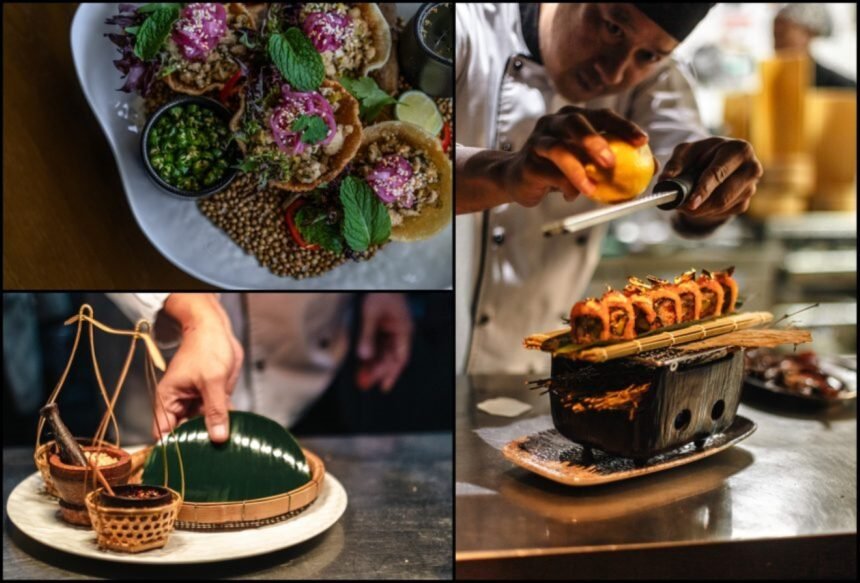

Nairobi’s culinary landscape is undergoing a significant transformation as Pan-Asian cuisine takes center stage, driven by shifting consumer preferences and the global influence of Asian entertainment. Long known for its cosmopolitan mix of Somali, Italian, Indian, and Ethiopian flavors, the capital is now seeing a surge in demand for “layered” and “culinary-inspired” profiles from across East and Southeast Asia.
According to the Kenya 2026 Taste Charts released by the Kerry Group, Kenyan consumers are increasingly seeking “contrast, comfort, and deeper meaning” in their food. Regis Manyange, Commercial Director for East Africa at Kerry Group, noted that the local market is prioritizing complex, tart, and multi-dimensional flavor experiences over traditional, singular profiles.
The “K-Effect” and Cultural Shift
Industry experts attribute this rise to the “Hallyu” (Korean Wave) and the broader popularity of Anime and K-pop. This cultural immersion has translated into a tangible appetite for specific regional staples, such as:
- Beverages: High demand for Soju and tea-based infusions.
- Fermented Foods: A mainstreaming of Kimchi and pickled elements.
- Street Food Staples: Growing interest in Pad Thai, Nasi Goreng, and Sushi.
Elevating the Dining Experience
In response to these trends, high-end venues are recruiting internationally trained talent to authenticate their offerings. A prime example is Upepo Restaurant, located at the Kwetu Nairobi, Curio Collection by Hilton. Overlooking the Karura Forest, the rooftop venue recently unveiled a Pan-Asian menu developed by Head Chef Phayan Rityim, whose career spans Thailand, Australia, and the UAE.
The menu at Upepo reflects a cross-continental blend, featuring Southeast Asian classics alongside South Asian favorites like Butter Chicken. Alexandre Glauser, General Manager at Kwetu Nairobi, emphasized that modern diners are looking for more than just a meal; they are looking for a curated “vibe.”
More Read

“Being just a restaurant is not enough anymore,” Glauser stated. “We have curated an environment where our guests enjoy a complete night out that perfectly blends high-end food, premium beverages, and top-tier entertainment.”
Market Implications
The evolution of the “local palate” is raising standards across the city’s hospitality sector. As Nairobi continues to establish itself as a global destination for elite chefs, the competition is shifting from basic menu variety to the execution of bold, authentic ideas.
The rise of Pan-Asian dining is not just a passing trend but a reflection of a more connected, adventurous Kenyan middle class that is increasingly influenced by global sensory science and local cultural insights. With more venues experimenting with these diverse traditions, Nairobi is firmly cementing its status as the culinary capital of East Africa.