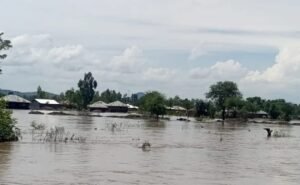


In response to the escalating flood emergency that has claimed over 100 lives nationwide, Prime Cabinet Secretary Musalia Mudavadi has announced a high-priority intervention strategy to safeguard the capital. The plan focuses on immediate engineering solutions and long-term urban resilience to prevent the recurring destruction of property and loss of life in Nairobi.
Strategic Partnership for River Restoration
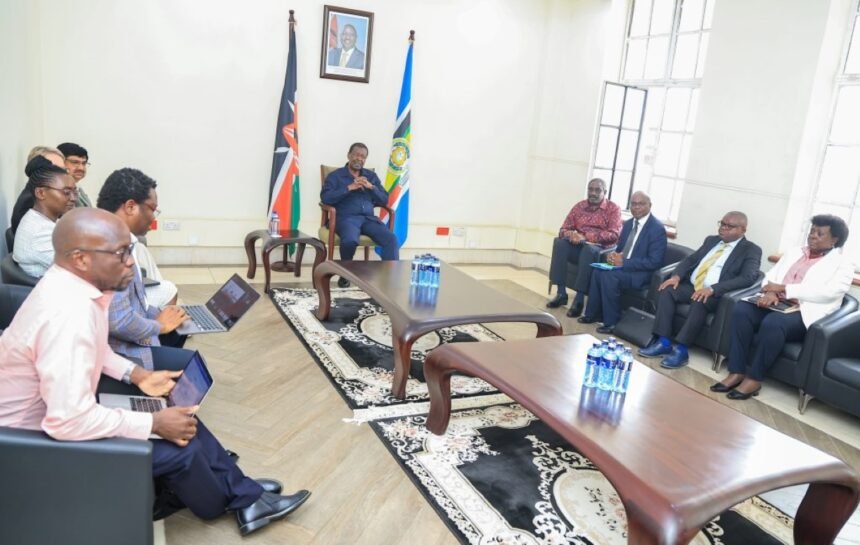
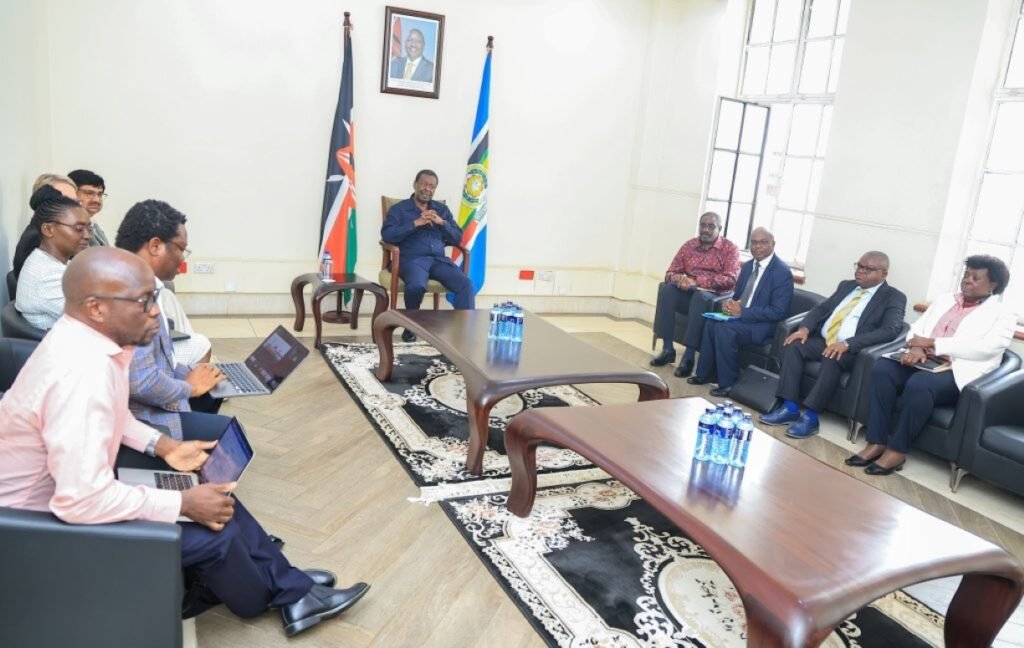
Following a consultative meeting with delegations from the Nairobi Water and Sewerage Authority and Dredge Masters Ghana, Mudavadi revealed that the government is fast-tracking a massive dredging project. The initiative aims to restore the natural capacity of Nairobi’s three main rivers—the Ngong, Nairobi, and Mathare rivers—which have become heavily silted and choked by unplanned urban waste.
“Our focus is clear: restore river capacity, stabilize waterways, and prevent the recurring flooding that continues to put lives and property at risk,” Mudavadi stated. By deepening the riverbeds and removing decades of accumulated debris, the government hopes to ensure that runoff from heavy rains can flow freely toward the Athi River rather than bursting into residential areas.
Key Components of the Intervention
The “Nairobi Resilience Plan” involves several critical technical layers:
- Dredging and Desilting: Increasing the depth and width of the three primary river channels to handle high-volume discharge.
- Nairobi Dam Rehabilitation: Reviewing the structural status of the Nairobi Dam to ensure it can act as an effective buffer for excess storm water rather than a flood risk.
- Infrastructure Stabilization: Reinforcing riverbanks to prevent erosion and landslides, which have recently threatened informal settlements and transport corridors.
- Drainage Modernization: Addressing the “inadequate drainage systems” previously flagged by outgoing UN Resident Coordinator Dr. Stephen Jackson as a primary cause of urban flash floods.
A Blueprint for National Expansion
While the current focus is on the capital—which has recorded 37 fatalities—Mudavadi emphasized that this is not a localized effort. The engineering models and partnerships being tested in Nairobi will be expanded to other flood-prone regions, including the Lake Victoria Basin and Nyanza, where the River Nyando recently paralyzed transport at the Ahero Bridge.
More Read

“We are moving with speed to deliver practical interventions that make Nairobi safer, more resilient, and better prepared for extreme weather conditions,” the Prime CS added.
Institutional Coordination
The move reflects the “Whole-of-Government” approach recently championed by Health CS Aden Duale during the launch of the National Health Security frameworks. By involving the Ministry of Foreign and Diaspora Affairs (under Mudavadi) and international experts like Dredge Masters, the government is treating the flooding crisis as both a domestic emergency and a regional climate challenge.
As the Kenya Meteorological Department forecasts continued heavy rains for the next five days, these dredging activities are being treated as “emergency works” to mitigate further disasters during the April peak of the long rains.