


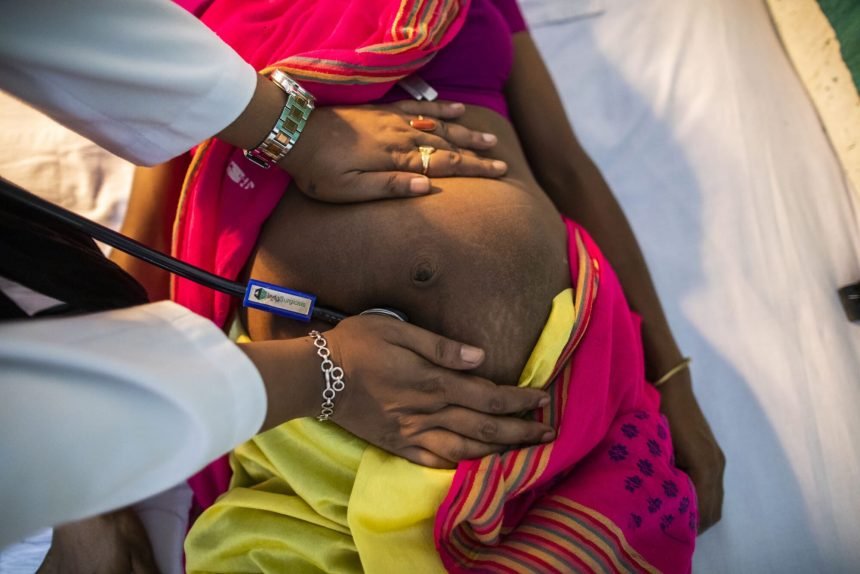
Kenya has officially commenced hosting the International Maternal, Newborn, and Child Health Conference (IMNHC 2026), a high-level global gathering aimed at reversing the slowing progress in maternal and neonatal survival rates. The four-day event, running from March 23 to 26 at the Edge Convention Centre in Nairobi, has drawn over 1,800 delegates from more than 100 countries.
National Commitment and Strategic Leadership
The Ministry of Health is spearheading the discussions, led by Medical Services Principal Secretary Dr. Ouma Oluga and Director General for Health Dr. Patrick Amoth. The Kenyan delegation is utilizing the platform to underscore the nation’s commitment to ending preventable deaths among mothers and infants through strengthened partnerships and increased financial investments.
A significant highlight of the opening sessions involves localized success stories and challenges. Makueni County Governor Mutula Kilonzo Jr, alongside frontline health providers and community representatives, is scheduled to present insights into county-level health interventions. These presentations aim to provide a practical blueprint for how sub-national governments can effectively manage maternal health outcomes.
Urgent Health Priorities in Kenya
The hosting of IMNHC 2026 comes at a critical juncture for Kenya’s healthcare sector. National statistics reveal a sobering reality: an estimated 15 mothers and 92 newborns die every day across the country. Most of these fatalities are attributed to preventable causes, highlighting the urgent need for the systemic reforms currently being discussed at the convention.
To combat these figures, Kenya is showcasing several home-grown innovations and strategic frameworks. Key among these are the Reproductive, Maternal, Newborn, Child, and Adolescent Health plus Nutrition (RMNCAH+N) Investment Case and the Every Woman, Every Newborn (EWENE) Strategy. These initiatives focus on three pillars: improving access to care, enhancing the quality of medical services, and ensuring equity in health delivery across all 47 counties.
More Read

Global Context and Sustainable Development Goals
The conference arrives as global progress toward the 2030 Sustainable Development Goals (SDGs) for maternal and child health has significantly decelerated. Many nations are struggling to maintain previous gains while attempting to accelerate improvements in neonatal care and emergency obstetric services.
Delegates at the IMNHC 2026 are tasked with assessing current global progress and sharing scalable solutions. The primary objective is to generate renewed commitments from international partners and sovereign governments to ensure that no mother or child dies from causes that modern medicine and efficient logistics can prevent.
Expected Outcomes and Future Collaborative Action
As the conference progresses through March 26, stakeholders expect the emergence of new collaborative frameworks and funding pledges. The focus remains on mobilizing global resources to support low- and middle-income countries in upgrading their primary healthcare facilities.
More Read

The Ministry of Health anticipates that the insights gained from this international exchange will refine Kenya’s ongoing healthcare reforms. By the conclusion of the event, organizers hope to have established a clear roadmap for achieving the 2030 targets, with a specific emphasis on bridging the gap between urban and rural maternal health services.


