


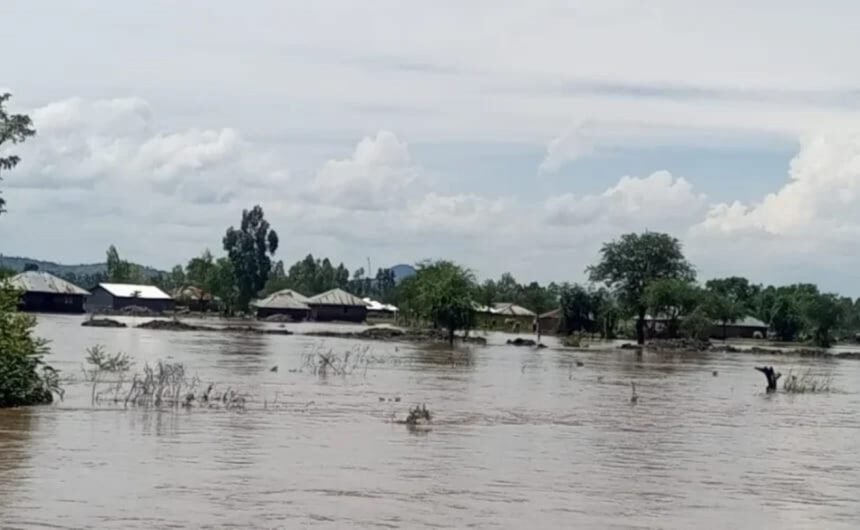
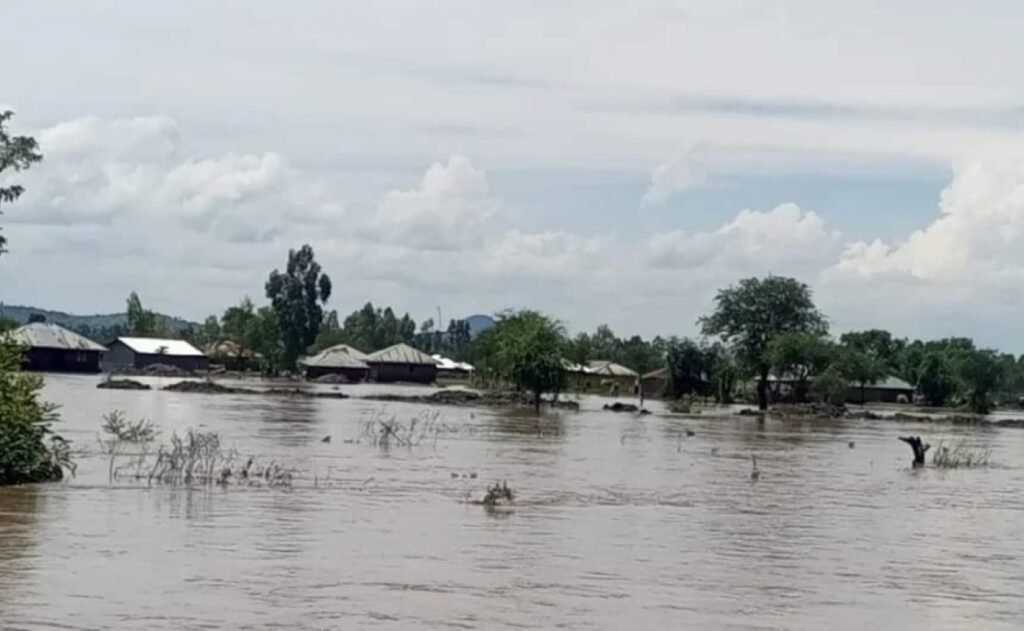
The Kenyan government has issued an urgent travel advisory for motorists plying the Kericho–Awasi–Kisumu highway after River Nyando burst its banks at the Ahero Bridge. The surge in water levels, triggered by relentless heavy rains in the Lake Victoria basin, has rendered a critical section of the road impassable, posing a significant risk to commuters and transport logistics.
Traffic Disruptions and Alternative Routes
Government Spokesperson Dr. Isaac Mwaura confirmed the closure of the section on Monday evening, noting that the overflow has created a dangerous environment for both light and heavy vehicles. The flooding led to immediate traffic snarl-ups extending several kilometers on both sides of the Ahero Bridge, a vital link for trade between the Rift Valley and Western Kenya.
In coordination with the Nyanza Region Traffic Commandant, authorities have diverted all Kisumu-bound traffic. Motorists are now advised to use the alternative route through Timboroa – Lesos – Kapsabet – Chavakali to reach Kisumu. Those traveling from Kisumu toward Kericho and Nairobi are similarly directed to use the Kapsabet corridor to avoid the flooded plains of Nyando.
Government Response and Monitoring
Dr. Mwaura assured the public that multi-agency teams are closely monitoring the water levels at Ahero and other vulnerable points along the river’s course. He emphasized that the safety of road users remains the primary concern and urged drivers to comply strictly with the directives of traffic police officers stationed at the diversion points.
“Accordingly, in line with an advisory from the Traffic Commandant of the Nyanza Region, all motorists and other road users along this route are advised to use alternative routes,” Dr. Mwaura stated. He further cautioned against any attempts to cross flooded sections of the road, citing the unpredictable force of flash floods.
More Read

National Flooding Context and Fatalities
The crisis at Ahero Bridge occurs as Kenya grapples with a devastating rainy season that has claimed 81 lives nationwide. According to the latest data from the National Police Service (NPS), the flooding has caused widespread destruction of infrastructure and displacement of thousands of households across several regions.
Nairobi remains the hardest-hit area with 37 fatalities, while the Eastern Region has recorded 21 deaths. In the Western and Nyanza circuit, where the River Nyando is located, seven fatalities have been confirmed so far. Other regions affected include the Rift Valley with eight deaths, the Coast with five, and Central Kenya with three.
Impact on Regional Logistics
The closure of the Ahero stretch is expected to cause significant delays in the delivery of essential goods, including agricultural produce and fuel, which rely on the Northern Corridor. Nyando and the surrounding Kano Plains are perennially prone to flooding, but the intensity of the current season has overwhelmed local drainage systems and bridge capacities.
More Read

Emergency response teams from the NPS and the Kenya Red Cross remain on high alert in the Nyanza region to assist families whose homes have been submerged by the backflow from River Nyando and Lake Victoria.
Expected Developments
Authorities expect the Ahero Bridge section to remain closed until water levels subside and engineers can assess the structural integrity of the road surface. The Kenya Meteorological Department has warned that heavy rainfall is likely to persist in the Lake Victoria basin and the Highlands West of the Rift Valley throughout the week, suggesting that further disruptions to the transport network are probable.


