

The Government of Kenya has officially launched a large-scale housing project to construct 3,000 units for prison officers, marking the beginning of a strategic intervention to address the chronic accommodation crisis within the Kenya Prisons Service. The initiative is designed to improve the welfare of uniformed personnel who have faced decades of inadequate living conditions across the country’s correctional facilities.
For years, the Kenya Prisons Service has grappled with a severe housing deficit, frequently forcing officers—particularly new recruits—to seek alternative accommodation outside protected areas. This logistical strain has been cited by authorities as a major factor affecting the financial stability, morale, and operational efficiency of the force.
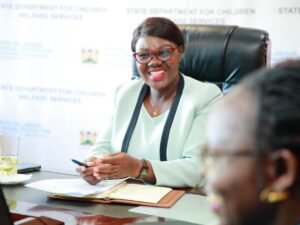
According to Salome Beacco, the Principal Secretary for Correctional Services, this first phase of 3,000 units is part of a comprehensive long-term roadmap aiming to deliver a total of 28,000 housing units. The project is being executed through a strategic partnership between the State Department for Correctional Services and the Ministry of Lands, Public Works, Housing and Urban Development, with billions of shillings earmarked for investment.
“Improving living conditions for prison officers is a key priority for the government, as it directly contributes to enhanced service delivery within correctional institutions,” PS Beacco stated during the project briefing. She emphasized that the program ensures officers have access to decent, secure housing within or near their workstations, specifically targeting those who have previously struggled to find affordable housing.
Beyond infrastructure, the Principal Secretary revealed that the government is moving to implement salary increments as recommended by the Maraga Taskforce. These remuneration reforms are intended to align the service with modern standards of professional welfare and have been a long-standing request from stakeholders within the justice system.
More Read

Parallel to the housing launch, the State Department has intensified a nationwide campaign to decongest the country’s 118 correctional institutions. Currently, the prison population stands at over 54,000 inmates, significantly exceeding the official national capacity of approximately 20,000. To mitigate this, 4,950 petty offenders have already been released through the Power of Mercy, while the Judiciary’s Rapid Results Initiative has seen an additional 2,918 individuals transitioned to community service orders.
The department is also pivoting toward preventative measures and community reintegration. “Our programs are already yielding results, with a noticeable decline in the number of youths being sent to prison,” Beacco noted, highlighting expanded outreach initiatives in schools, churches, and local communities aimed at crime prevention and alternative dispute resolution.
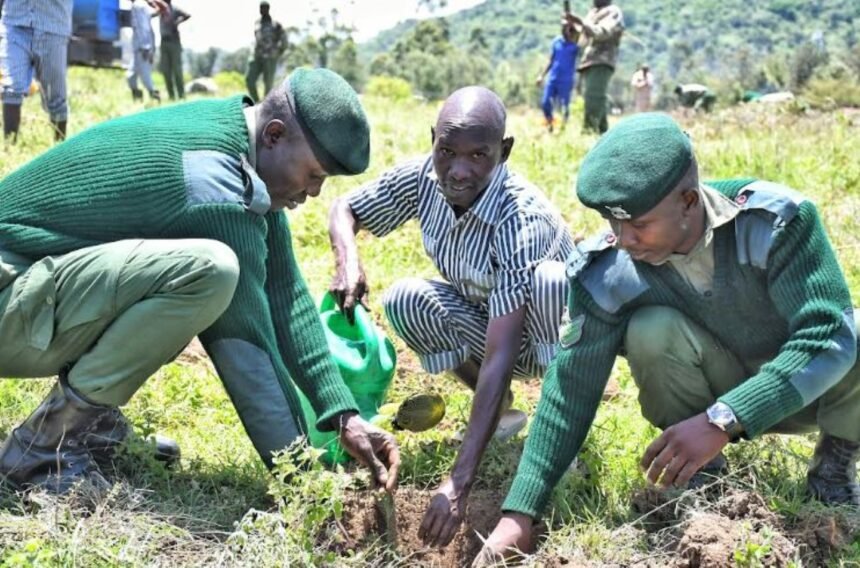
In addition to social reforms, the Kenya Prisons Service is contributing to the national environmental agenda. During a recent tree-planting exercise at the Naivasha Medium Prison, officials confirmed that over 7,000 trees were planted. Patrick Kariri, the Director of Prison Farms, stated that the department aims to produce 20 million seedlings annually across 66 nurseries. This effort supports the broader national goal of planting 15 billion trees by 2032, with the prison service targeting a total contribution of 100 million seedlings over the next decade.