

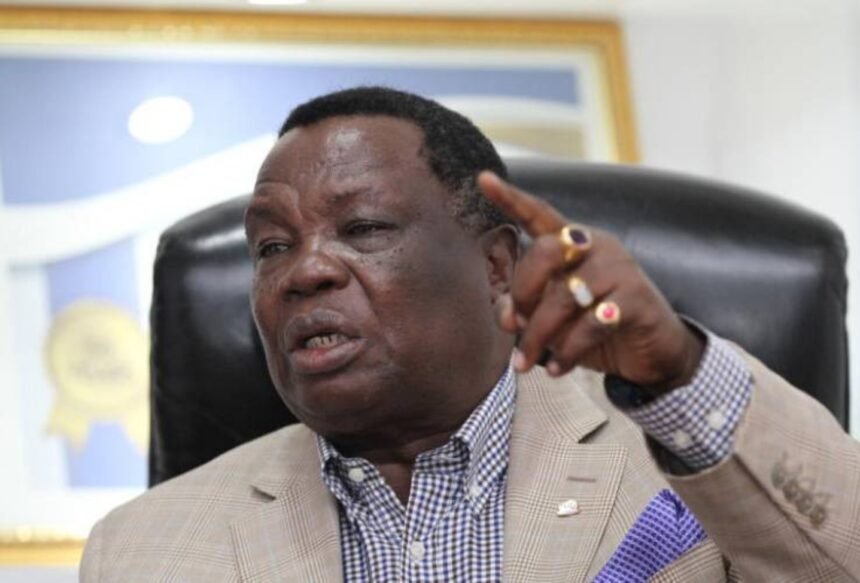
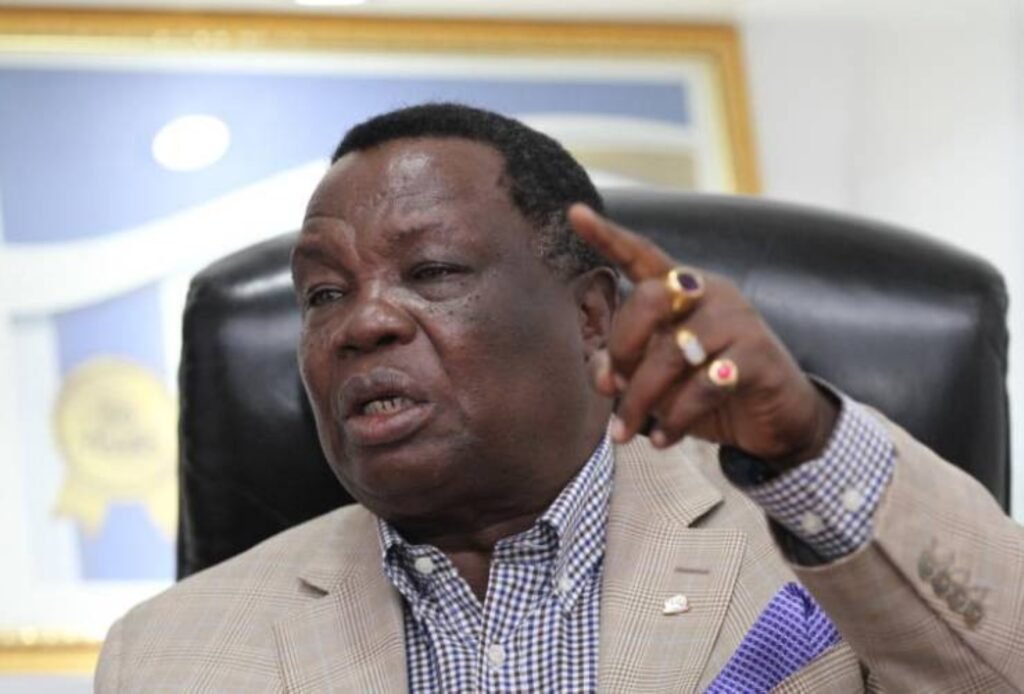
The Central Organisation of Trade Unions (COTU) Secretary General, Francis Atwoli, has formally called on President William Ruto to implement a nationwide ban on political rallies. Atwoli argues that the current wave of premature political mobilization is creating unnecessary national tension and distracting the government from its core governance and economic priorities.
Speaking on the backdrop of an increasingly charged political climate, the veteran unionist insisted that all political gatherings should remain suspended until the Independent Electoral and Boundaries Commission (IEBC) officially declares the 2027 campaign period open, in accordance with electoral laws.
Governance Over Politics
Atwoli’s primary concern centers on the impact of early campaigning on the workforce and national stability. He emphasized that the country needs a focused environment to address pressing economic issues—such as the ongoing energy emergency and food insecurity—rather than the divisive rhetoric often found at early-bird political rallies.
“Premature political mobilization is fueling tension and distracting from governance priorities. All activity should remain suspended until the IEBC formally declares campaigns open,” Atwoli stated.
Interior Ministry Pushes for Judicial Crackdown
The call from COTU aligns with a growing push from the security docket to restore public order. On Saturday, Interior Cabinet Secretary Kipchumba Murkomen urged the Judiciary to step up its role in deterring political hooliganism.
More Read
The Ministry of Interior’s proposals include:
- Harsh Penalties: CS Murkomen called for “decisive and timely justice” for suspects involved in violence at political rallies.
- Targeting Financiers: The CS urged courts to crack the whip not just on the youth involved in skirmishes, but also on the financiers and organizers who orchestrate the chaos.
- Legal Review: The government is pushing for a review of laws governing public events to give security agencies more leverage in managing high-risk gatherings.
The Political Context
The debate over political rallies has intensified in recent weeks following a series of high-profile “lecture” sessions and funeral confrontations involving various political factions. With the Nairobi Metropolitan Police Unit set to become operational on May 1, the government appears to be tightening the net on public activities that threaten to spill over into civil unrest.
While the IEBC is currently undergoing a leadership transition—with the President recently nominating a new NCIC chair to manage hate speech—the suspension of rallies would mark a significant shift in Kenya’s democratic space, potentially sparking debate over the freedom of assembly versus the need for national order.